
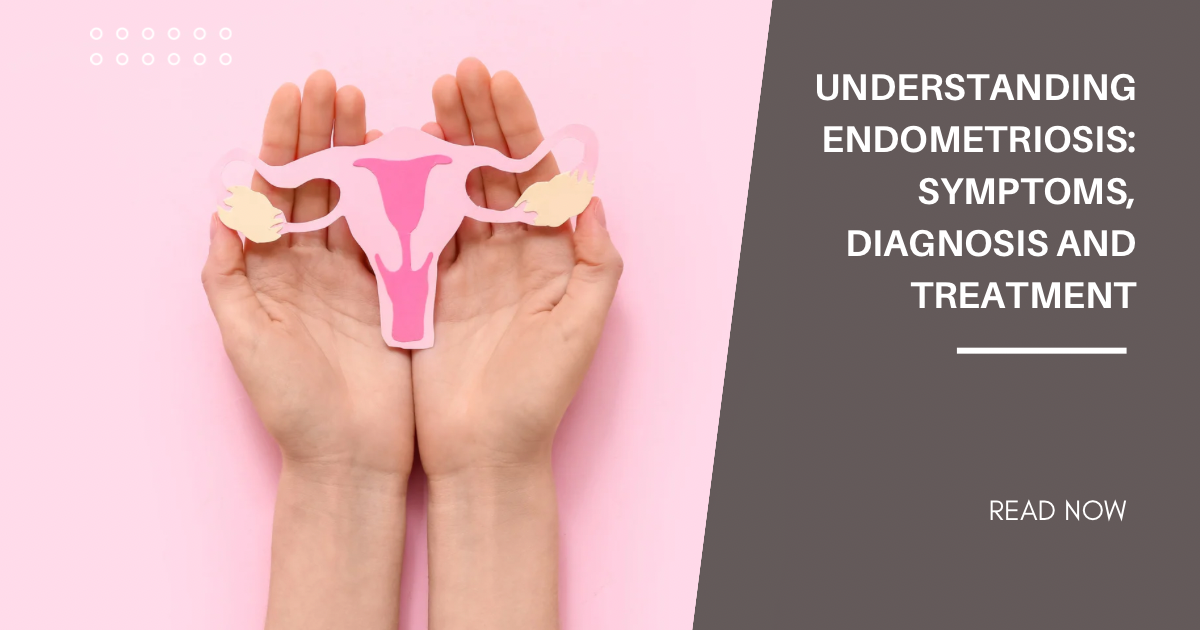
Understanding Endometriosis: Symptoms, Diagnosis and Treatment
“Doctor, I have had painful periods my whole life. I just thought it was normal.”
This is something many women say during consultations. Behind those words is often a woman who has spent years, sometimes her entire reproductive life, quietly living with pain that was never properly explained.
Painful periods are often dismissed as something women simply have to tolerate. Over time this belief has led many women to normalize discomfort that may actually be a medical condition.
One of the most common conditions behind long-standing pelvic pain and severe menstrual cramps is endometriosis. If your periods have always been difficult or if something about your symptoms does not feel right, understanding endometriosis symptoms and seeking the right endometriosis treatment in Ghatkopar can help you make sense of what your body is experiencing.
What Is Endometriosis?
Endometriosis is a condition in which tissue similar to the lining of the uterus grows outside the uterus. This tissue still responds to hormonal changes during the menstrual cycle.
Every month the lining inside the uterus builds up and sheds during menstruation. In endometriosis, similar tissue grows in places where it does not belong. This may occur on the ovaries, fallopian tubes, the pelvic lining, and sometimes even the bladder or bowel.
Because this tissue behaves like the uterine lining, it thickens and breaks down during each menstrual cycle. However, unlike menstrual blood that leaves the body, this tissue has nowhere to go.
Over time this can lead to inflammation, scar tissue, and ovarian cysts known as endometriomas. Endometriosis is not simply painful periods. It is a chronic inflammatory condition that can affect pelvic organs, fertility, and daily quality of life.
Symptoms of Endometriosis
One of the reasons endometriosis can be difficult to identify is that symptoms vary widely between women. Some experience severe pain, while others may have mild symptoms but difficulty conceiving.
The extent of the disease does not always match the intensity of symptoms.
Painful Periods That Worsen Over Time
These are not typical menstrual cramps. The pain often begins a day or two before the period starts and may continue for several days. Over time, standard pain medications may stop providing relief.
Many women find themselves cancelling plans, missing work, or struggling to carry out daily activities each month.
Pelvic Pain Outside the Menstrual Cycle
Some women experience a constant dull ache in the lower abdomen or pelvis. The pain may worsen with activity or after sitting for long periods and may appear without an obvious trigger.
Persistent pelvic pain should never be ignored.
Pain During Intercourse
This symptom is often underreported because women feel uncomfortable bringing it up. Deep pelvic pain during or after intercourse can be an important sign of endometriosis and should always be discussed with a doctor.
Heavy or Unpredictable Bleeding
Periods that become heavier than usual, last longer than expected, or cause bleeding between cycles may indicate an underlying issue that needs evaluation.
Pain During Bowel Movements or Urination
If going to the bathroom becomes painful, especially during a menstrual period, it may suggest that endometrial tissue has spread to nearby organs such as the bowel or bladder.
Difficulty Getting Pregnant
Endometriosis is one of the leading causes of female infertility. Scar tissue may block fallopian tubes, ovarian cysts can affect egg quality, and inflammation in the pelvis can interfere with fertilization.
Many women with endometriosis are still able to conceive, but early evaluation improves the chances.
Persistent Fatigue
Chronic pain can be physically and emotionally draining. Many women with endometriosis experience ongoing fatigue that affects their mood, productivity, and overall wellbeing.
Why Endometriosis Often Takes Years to Diagnose
On average, women may wait seven to ten years from the beginning of symptoms before receiving a diagnosis.
Painful periods have long been considered normal. Many women are told to simply tolerate the discomfort. In early stages, endometriosis may not always appear clearly on routine ultrasound scans.
Some symptoms, such as pain during intercourse or bowel discomfort, are also difficult for patients to discuss openly. All of these factors contribute to delayed diagnosis.
If your symptoms continue to worsen or feel different from what you consider normal, it is important to seek medical advice from an experienced endometriosis doctor in Ghatkopar.
How Is Endometriosis Diagnosed?
Diagnosis begins with a detailed discussion about symptoms. Understanding the nature of the pain, when it began, and how it affects daily life often provides valuable clues.
A pelvic examination may reveal tenderness or restricted movement in the pelvic area. A pelvic ultrasound is usually the first imaging test used to detect ovarian cysts or other abnormalities.
In certain situations, an MRI may be recommended to evaluate deeper disease.
Laparoscopy, a minimally invasive surgical procedure, remains the most definitive way to diagnose endometriosis. It allows direct visualization of the lesions and can also allow treatment at the same time.
Not every patient requires surgery. The decision depends on symptoms, imaging findings, and individual goals such as fertility.
Treatment Options for Endometriosis
Medical Management
Many women begin treatment with medication. Anti inflammatory medicines may help control pain.
Hormonal treatments such as contraceptive pills or progesterone based therapy can suppress the hormonal stimulation that drives endometrial tissue growth.
These treatments do not remove existing lesions but often reduce inflammation and improve symptoms.
Surgical Treatment
Surgery may be recommended when pain is severe, cysts are present, or fertility is affected.
Laparoscopic surgery allows removal of endometrial lesions and scar tissue while preserving ovarian function. Because it is minimally invasive, recovery is generally quicker than traditional open surgery.
Fertility Treatment
For women planning pregnancy, treatment is tailored to support fertility goals.
Depending on the situation, options may include surgery before attempting natural conception, ovulation induction, intrauterine insemination, or IVF.
Early consultation usually provides more treatment options.
Lifestyle Measures That May Support Treatment
Medical treatment remains the mainstay of care. However, certain lifestyle habits can support overall health.
An anti inflammatory diet rich in vegetables, whole grains, and healthy fats may help reduce inflammation. Regular physical activity supports both physical and emotional wellbeing. Stress management is also important because chronic stress can worsen inflammatory conditions.
Tracking symptoms throughout the menstrual cycle can help identify patterns and improve discussions during consultations.
When Should You See a Gynaecologist?
You should not wait until pain becomes unbearable.
Seek medical advice if:
- Period pain interferes with daily life
- Symptoms are worsening over time
- Intercourse becomes painful
- You have been trying to conceive without success
- Something about your symptoms feels unusual or concerning
Frequently Asked Questions
Is endometriosis curable?
Endometriosis is a chronic condition, meaning it requires ongoing management rather than a one time cure. With appropriate treatment, many women experience significant symptom relief and maintain an active lifestyle.
Does every woman with endometriosis need surgery?
No. Many women manage their symptoms well with hormonal therapy and lifestyle adjustments. Surgery is recommended when symptoms are severe, cysts are present, fertility is affected, or medical treatment is not sufficient.
Can endometriosis return after surgery?
Yes, recurrence is possible. This is why long term monitoring and continued management are important even after surgery.
Are painful periods always endometriosis?
No. Mild menstrual cramps are common. However, pain that worsens over time, disrupts daily life, or does not respond to usual pain relief should be evaluated.
Can women with endometriosis get pregnant?
Yes. Many women with endometriosis conceive naturally. Others may benefit from medical or fertility treatments depending on the severity of the condition.
At what age can endometriosis develop?
Endometriosis can begin soon after menstrual cycles start and may appear during teenage years. It is most commonly diagnosed in women in their twenties and thirties.
How long does recovery take after laparoscopic surgery?
Most women return to light activity within a few days and resume normal routines within one to two weeks, depending on the extent of the procedure.
Consult a Gynaecologist for Endometriosis
If you have been living with pain that others have told you is normal, it may not be.
You deserve a proper evaluation, a clear diagnosis, and a treatment plan that supports your health and future plans.
Book an appointment with Dr. Prabhjot Manchanda, endometriosis doctor in Ghatkopar, to discuss your symptoms and explore appropriate endometriosis treatment.
Understanding what your body is experiencing is the first step toward relief.